Showing posts with label Summer Salads. Show all posts

Saturday, 16 January 2016

Zesty Salmon & Roasted Beets Recipe


Summer is upon us and this means its salad season! Zesty salmon fillets atop a fresh spinach salad with wholesome roasted beets sounds like summer to us at Naed Nutrition, and we want to share this delicious recipe to get you excited about fish and fresh produce!

Many of us rarely eat our recommended 2-3 servings of fish a week, and many of us find it difficult to create recipes that incorporate fish. At Naed Nutrition we regularly receive comments from clients that they don't like fish or have tried it and couldn't stand the 'fishy' taste. Don't give up!  a fresh fillet of fish should in no way smell or taste fishy, the key is to buy fresh produce from your local market, grocer or fish monger.

Fresh fish, especially salmon, mackerel, sardines and even tuna can provide you with omega 3 fatty acids, specifically EPA & DHA.  Eicosapentaenoic acid (EPA) lowers blood pressure, prevents blood clott formation, protects against irregular heart beats, and reduces inflammation. While Docosahexaenoic acid (DHA), is essential for the central nervous system, brain development and normal brain function. Regular intake of omega 3 fatty acids will help to reduce joint pain, arthritis, inflammation and assist to maintain cardiovascular and brain health. Regular consumption of fish can assist to improve your health in a number of ways, therefore give this recipe a try!

Ingredients

4 small fresh beetroots, around 200g
1tbs extra virgin olive oil
1 tsp coriander seeds, lightly crushed
2 skinless salmon fillets
2 small oranges, zest of 1 and juice of ½ 
3tbs pumpkin seeds
1 garlic clove
1 red onion, finely chopped
4 handfuls of baby spinach
1 avocado, thickly sliced

Directions 

Preheat oven to 180 C, 160C fan. Trim the stems of the beetroot and reserve any tender leaves that are suitable for eating in the salad. Cut the beetroots into quarters then toss with ½ tbsp oil, the coriander seeds, and some seasoning then pile into the centre of a large sheet of foil and wrap up like a parcel. Bake for 45 minutes or until the beetroots are tender then top with the salmon, scatter over half the orange zest and return to the oven for 15 mins. If you want to toast the pumpkin seeds, put them in the oven for 10 minutes.

Meanwhile, cut the peel and pith from 2 oranges then cut out the segments with a sharp knife working over a bowl to catch the juices. Finely grate the garlic and leave for 10 minutes to allow the enzymes to activate. Stir the garlic into the orange juice and remaining oil with seasoning to make a dressing.

Remove the parcel from the oven and carefully lift off the fish. Tip the beetroot into a bowl with the red onion, remaining orange zest, pumpkin seeds and spinach leaves and toss well. Gently toss through the orange segments and avocado with any remaining beet leaves, then pile onto plates and top with the warm salmon. Drizzle over the dressing and serve.

Wednesday, 5 December 2012

Fighting Festivity Failures


It’s back again, Christmas time! With under 4 weeks till Christmas there is everything from Christmas parties to get-to-gethers to dinners to cocktails to afternoon teas and everything else in between. Don’t want to be the average person who gains 3-4kg over Christmas period and be part of that 50% of people who only loose half of that weight gained within the next year. Here 10 tips on how to maintain and even continue to lose weight of the festive season.

1. Portion Control
  • Only eat what you would normally eat. Have a normal plate size full of food and leave it at that. You don’t have to eat it because it’s there! You wouldn’t normally go for seconds at home, don’t do it here. This goes for sit down meals, buffets, lunches, dinners you name it!

2. Sit down and eat
  • Don’t stand around the food table or stand in the kitchen and eat, you will end up eating a plate load of food before you’ve even sat down to enjoy it.

3. Bring a better option
  • If it’s a function where it’s ‘Bring a Plate’ Bring something that is a better option, like a salad, or some homemade dip and veggie sticks so you know there is a better option for you

4. Choose the best option
  • Fill up on salad, and veg rather than fried, high salt, high fat, high calorie, high starch foods. Always go for steamed/baked options with plenty of veg and you can’t go wrong

5. Stay hydrated
  • Water often gets forgotten about this time of year, except when it’s too late and you have a blinding headache from dehydration. Have plenty of cod refreshing water with lemon or lime to aid digestion and promote adequate hydration all day (and night)

6. Be food savvy
  • Don’t know what’s in something? Simply ask! That way you will avoid eating the wrong thing which otherwise you may have thought was a good option

7. Chew slowly
  • Not only is this good for your digestive system and will allow you to absorb more nutrients, will you be able to register that you’re full in a much more timely fashion.

8. Pre-eat
  • If a function is later or not your normal eating time, eat before you go. Arriving to a function starving is a big no no as you will end up eating the first things you see. Pre-eating will allow you to make more sensible choices.

9. Don’t skip the work outs
  • The more you miss, the harder it will be to get back into it come new year. You can spare 30mins-1 hour a day on exercise. Consistency and maintenance is the key this time of year.

10. Enjoy the company
  • Enjoy the festive season and celebrating with friends, family and co-workers rather than focusing on all the food and alcohol that comes along with it. I guarantee if you focus on the company more, the temptations of food will decrease. 

Need more help?? Simply email me for more information.
Don't forget to spoil a loved one this Christmas with gift vouchers available right here!

Wednesday, 21 November 2012

You Don’t Make Friends With (boring) Salads


Summer is well and truly here and salads are just about all the sides you can handle, but how do you make them more appetising??

Salads don't just have to be lettuce, cucumber, carrot and tomato. Here are some helpful hints and tips to make your salads more exciting and boost your nutrient intake!

Feta: is high in protein (especially tryptophan which stimulates serotonin aiding sleep), it contains calcium and a third of the fat of regular cheddar cheese.


Recipe examples: garden salad with feta, Greek salad, chicken and feta salad


Quinoa: has a higher protein profile than ANY of the major grains. It has 9 grams of protein in just one cup! It is rich in fibre, low GI, gluten free, high in vitamin B & contains essential nutrients such as calcium, iron, potassium, magnesium and zinc. 
 

Recipe examples: roast veggie salad, chickpea salad or a simple chicken salad. 

Avocado:  high in protein, essential fatty acids, folate, vitamin E, glutathione and potassium. Promoting heart health, weight loss and eye health is only the beginning of the benefits. 

Recipe examples: Chicken and avocado salad, quinoa and avocado salad, tuna and avocado salad

Brown rice: high in fibre, manganese, and phosphorus. Contains 2.5 x’s the Iron, 6 x the B6, 3 x the B3 and 4 x the B1 of white rice.


Recipe examples: cold fried rice salad, pumpkin and rice salad


Pine nuts: are rich in protein, vitamin A, C, D, magnesium and iron. They also contain pinoleic acid which aid weight loss by promoting satiety. 
 
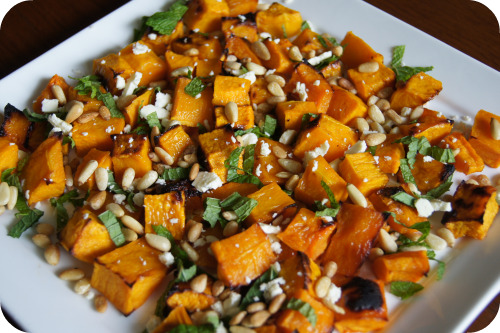
Recipe examples:  sweet potato and pine nut salad, rocket and pine nut salad, garden salad with pine nuts.

Sunflower Seeds: high in essential fatty acids, B1, B5, vitamin E and folate. Other nutrients include phosphorus, copper, magnesium & selenium.

Recipe examples:  avocado and seed salad, rainbow salad, bean and seed salad

Roast pumpkin: rich a source of dietary fibre, anti-oxidants, minerals (copper, calcium, potassium and phosphorus) & vitamins (particularly vitamin A, C & E as well as B complex).


Recipe examples: roast pumpkin and pine nut salad, roast veggie salad, spinach and pumpkin salad


Roast Capsicum:  high in vitamin C, B6, zinc, antioxidants (especially lycopene) and vitamin A. Capsicums are also known for their metabolism stimulating properties. 

Recipe examples: roast veg salad, garden salad with roast capsicum, roast veg spinach and pine nut salad

Chickpeas: are high in protein, fibre, folic acid and manganese. With 2 x the amount of iron, protein, zinc and magnesium than any grain.

Recipe examples:  bean salad, coriander and chickpea salad, chickpea and avocado salad.

Edemame beans: are rich in protein, antioxidants and phytochemicals. They also contain a high amount of brie, vitamin B’s, C and E.

Recipe examples: Wild rice and edemame beans, avocado and edemanae, bean salad.

Boiled eggs: are very high in protein (6g per egg) and contain contains choline, lutein (essential for eye & skin health) and zeaxanthin as well as containing just about every vitamin and most minerals (except vitamin C)

Recipe examples: egg and chive salad, garden salad with egg, bean and egg salad


If you struggle with planning out your meals and variety contact naednutrition@gmail.com to get your own personalised plan